Benign Skin Lesions Removal
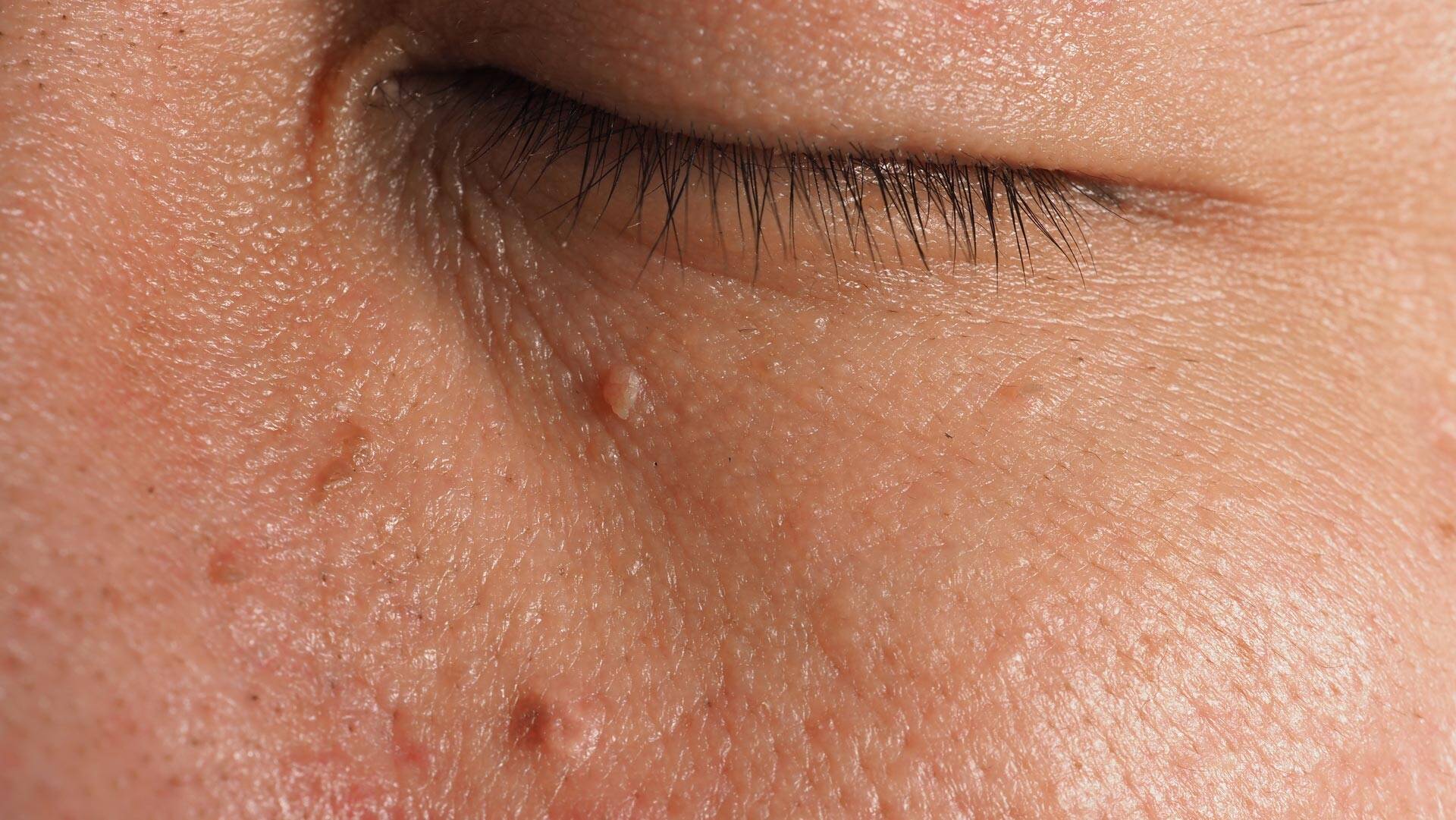
A skin lesion refers to any change in the skin surface that differs from the surrounding skin in appearance, colour, texture or other characteristics. Common examples of benign skin lesions may include moles (nevi), sebaceous cysts, seborrheic keratoses, skin tags (acrochordon), callouses, corns or warts.
Not all skin lesions are the same. If you notice an irregular spot or lump on your skin, a professional should examine it to ensure it is benign (harmless and non-cancerous). However, even if your lesion is not threatening your health, you may still want to have it removed due to discomfort or aesthetic concerns.
Our qualified medical practitioners will be able to identify the type of lesion and recommend an appropriate method of either treatment or removal.
1 Cryotherapy
Cryotherapy is a method of super-freezing the lesion with liquid nitrogen to destroy it. It is for very small growths near the skin’s surface. It is most commonly used to remove warts, actinic keratoses, seborrheic keratoses, and molluscum contagiosum.
This is a quick procedure with minimal discomfort. But may require multiple sessions, potential for scarring.
2 Skin Excision
Excision is the surgical removal of the lesion using a scalpel or scissors.
Simple scissor excision is used for skin lesions that rise above the skin or are in the upper layer of the skin. This technique rarely requires stitches. At the end of the procedure, medicine is applied to the area to stop any bleeding. Or the area may be treated with cautery to seal blood vessels shut.
Full-thickness skin excision (through the dermis) involves removing a skin lesion in the deeper levels of the skin down to the fatty layer under the skin. A small amount of normal tissue surrounding the lesion may be removed to ensure it is clear of any possible cancer cells (clear margins). The area is closed with stitches.
This method is effective for larger lesions and provides immediate results. Requires local anesthesia, potential for scarring, and longer healing time.
3 Curettage and Electrodessication
Curettage involves scraping or scooping out a skin lesion, often followed by electrodesiccation to destroy any remaining tissue and to stop any bleeding.
Effective for superficial lesions that do not need a full-thickness excision. Requires local anesthesia, potential for scarring.
4. Chemical Peels
Chemical peels are a popular dermatological procedure used for a variety of skin concerns, including the removal of certain benign skin lesions. Chemical peels use acids to exfoliate the skin and remove superficial lesions.
Chemical peels can be effective for treating certain benign skin lesions, including seborrheic keratoses, actinic keratoses, solar lentigines and flat warts.
Good for superficial lesions and sun-damaged skin. Non-invasive treatment, no need for surgical intervention. Quick procedure, often performed in an outpatient setting.
Recovery Time varies based on the depth of the peel; deeper peels require more downtime. Post-treatment skin can be sensitive to sunlight and require careful aftercare. Not suitable for all types of benign lesions, particularly deeper or more resilient ones.
5. Laser Treatment
Laser technology has advantages over traditional methods. Laser treatment of benign skin lesions allows for precise targeting of the lesion without affecting the surrounding healthy skin. This reduces the risk of scarring and promotes faster healing.
At our clinic, we offer the advanced Fotona SP Dynamis Pro laser treatment for the removal of benign skin lesions. It is a state-of-the-art technology known for its efficacy and safety.
- Suitable for all skin types.
- No scalpel, no sutures.
- Short downtime.
- Controlled, accurate and precise.
- Exceptionally well-tolerated by patients.
Laser treatment is effective for various lesions and can be used to effectively remove a wide range of benign skin lesions. Medical practitioners of our clinic use Fotona’s Er:YAG laser for removal seborreheic warts, senile lentigenes, epidermal nevi, milia, xanthelasma palpebrarum, hidradenoma, plane warts, actinic keratosis, fibroepithelial papillomata, epidermal melasma.