Laser Treatments Frequently Asked Questions
Laser treatments have become one of the most sought-after solutions, offering precision, minimal invasiveness, and remarkable results. Whether you’re considering laser therapy for skin rejuvenation, hair removal, or medical conditions, understanding the procedure can help alleviate concerns and set realistic expectations.
In this FAQ:
- General information about laser therapy
- Risks and side effects
- Recovery Time
- Pre-treatment information
- Aftercare Instructions
- How do I get the best results from the laser
1. General Information About Laser Therapy
What is laser treatment?
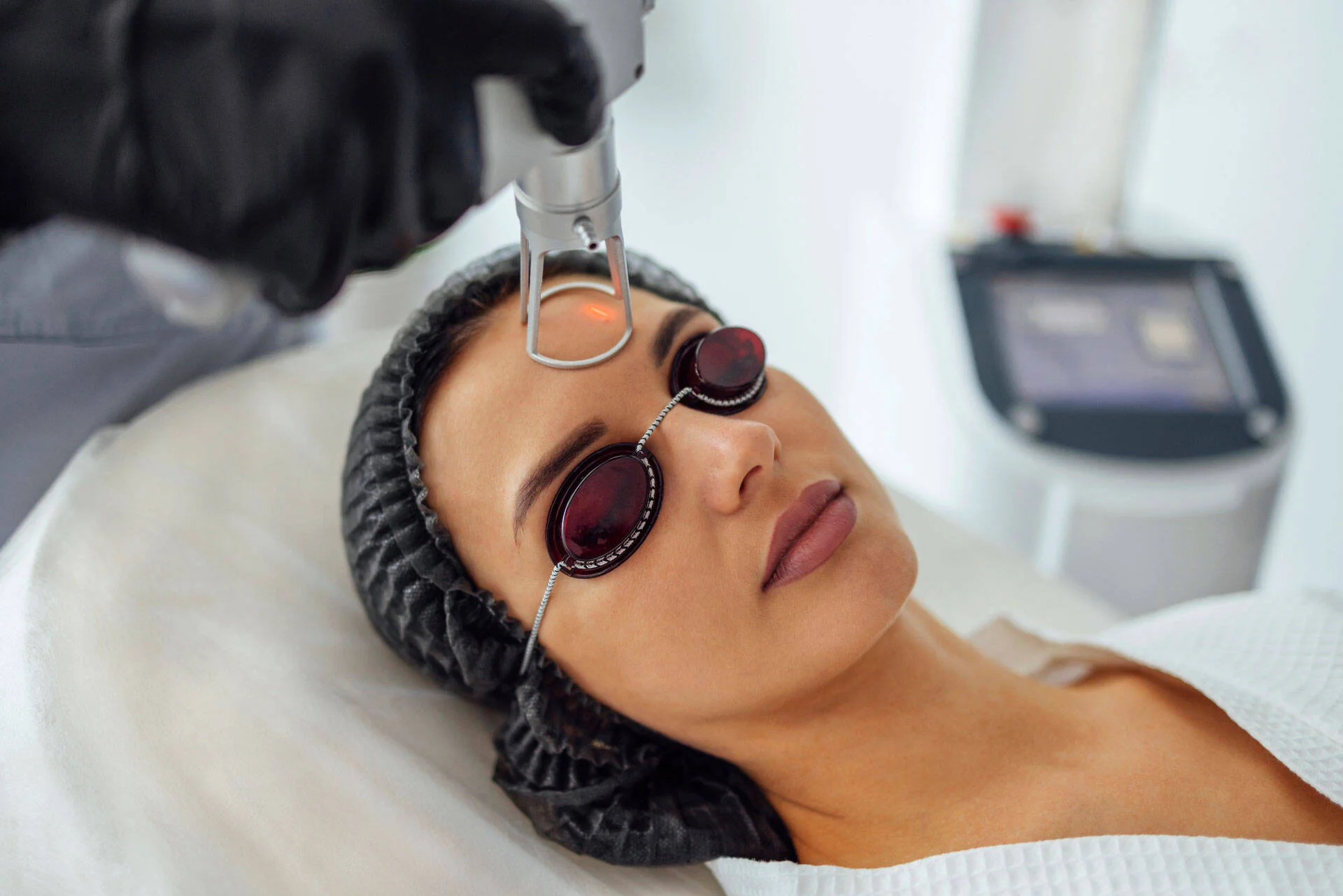
Laser therapy is a medical treatment that uses a strong beam of light to cut, burn, or destroy tissue. This is a noninvasive or minimally invasive treatment for various skin conditions and cosmetic purposes. The methods are precise and effective and can target specific areas without affecting surrounding tissue. Laser therapy does not require the use of drugs or surgery, there are fewer side effects or risks, and it is quick and convenient. Studies have shown that it is equal to or more effective than other forms of physical therapy.
A laser (meaning ‘Light Amplification by Stimulated Emission of Radiation’) is a very intense light that can produce permanent effects when applied to a surface. It makes a very narrow beam of light useful in many technologies, specifically in medical applications. This concentrated beam allows precise targeting of specific skin layers or structures, such as pigment, hair follicles, or collagen.
Common types of lasers include:
- Ablative lasers use an intense wavelength of light and direct concentrated light beams at the skin to vaporise the outer layer.
- Non-ablative lasers create uniform thermal damage to the dermis. The surface of the skin remains undamaged.
What is a laser treatment used for?
Laser treatments can address various cosmetic and dermatological concerns. By targeting specific structures within the skin, these treatments can achieve desired outcomes, from improving skin texture to removing unwanted hair.
- Skin rejuvenation to reduce fine lines, wrinkles, and uneven skin texture, leaving the skin smoother and more youthful.
- Treating solar keratosis, and the removal of skin lesions such as moles, warts, fibromas, seborrheic keratosis, skin tags, haemangiomas, and cherry spots.
- An effective solution for reducing redness, visible blood vessels, and rosacea.
- Treating varicose veins.
- For pigmentation concerns, lasers help treat sunspots, freckles, and melasma by breaking down excess melanin in the skin, and evening out skin tone.
- Managing acne, by reducing active breakouts and improving the appearance of acne scars through collagen stimulation.
- An important role in gynaecology in the management of stress urinary incontinence, dyspareunia, and vaginal health.
- Hair removal — targeting hair follicles to slow or stop hair growth, effective on the face, legs, underarms, back, and bikini line.
- Minimising the appearance of stretch marks and surgical scars by promoting the regeneration of new, healthy tissue, breaking down tattoo pigments for gradual fading, and reducing underarm sweating by targeting sweat glands.
Do laser treatments work for all skin types?
The effectiveness of these treatments can vary based on skin type and condition. For instance, fair skin often responds more predictably to laser treatments, while darker skin requires specialised technologies to minimise risks like hyperpigmentation.
The treatment area also affects outcomes; regions like the back often require more intensive treatment than delicate areas like the face.
Ultimately, the desired outcome is highly personalised and depends on the individual’s skin type, condition, and specific cosmetic goals. During the initial consultation, an experienced medical practitioner will assess these factors and recommend a tailored treatment plan to ensure optimal results while minimising potential risks.
What are the factors that influence treatment?
- Choosing a qualified and experienced practitioner in the field plays a vital role. Using state-of-the-art technology and proper equipment also plays a significant role in the outcome.
- Skin type. Lighter skin responds more predictably to laser treatments, while darker skin requires specialised settings to ensure safety and effectiveness.
- The severity of the condition being treated. Mild concerns like fine lines may show improvement after a few sessions. More complex issues like deep scars or pigmentation irregularities may need additional treatments.
- Adherence to the instructions given to the patient by the practitioner to prepare for the treatment and the instructions to follow after treatment influence the outcome.
- Completing the prescribed course of treatment and continuing with maintenance treatment lead to sustainable improved outcomes.
- Your body’s response to treatment, including the collagen production rate or pigment breakdown, impacts how quickly and effectively you achieve your desired results.
- Adherence to lifestyle modification, such as smoking cessation, alcohol consumption and sunscreen use, are important factors that influence the outcome of treatment.
What are the benefits of laser treatment?
Laser treatments provide precise, versatile, and effective solutions for improving skin health and appearance with minimal disruption to daily life.
- Precision: Lasers target specific skin structures, such as pigmentation, hair follicles, or blood vessels, without harming surrounding tissue.
- Versatility: Fine lines and wrinkles, acne scars, solar keratosis, unwanted hair, pigmentation irregularities, vascular lesions and varicose veins, onychomycosis, skin lesions (moles, warts, fibromas, seborrheic keratosis, skin tags, haemangiomas, cherry spots), and in gynaecology for stress urinary incontinence, dyspareunia, and vaginal health.
- Minimally invasive: Most procedures are non-surgical, offering significant improvements with little to no downtime.
- Quick treatments: Sessions are often short, allowing patients to resume their daily activities almost immediately.
- Stimulates natural healing: Lasers promote collagen production, leading to smoother, firmer skin and long-lasting improvements.
- Long-term results: Treatments like laser hair removal offer extended periods of reduced maintenance.
- Customisable: Devices and settings can be adjusted to suit various skin types and conditions, ensuring safety and efficacy.
- Enhanced comfort: Modern lasers often include cooling mechanisms to improve the patient experience during treatment.
What are the results of laser treatment?
Laser treatments can deliver impressive results, depending on the type of procedure and the specific concerns being addressed. These results often include:
- Improved skin texture and tone: Treatments like fractional laser therapy boost collagen production, leading to smoother, firmer skin and a more even complexion.
- Reduction of fine lines and wrinkles: Skin rejuvenation lasers soften the appearance of aging signs, resulting in a fresher, more youthful look.
- Faded scars: Laser therapy minimises acne scars, surgical scars, and stretch marks by promoting skin regeneration.
- Reduced redness and vascular lesions: Conditions like spider veins, rosacea, and broken capillaries respond well to lasers that target blood vessels, reducing redness and visible veins.
- Long-lasting hair reduction: Laser hair removal significantly reduces unwanted hair, with many patients experiencing permanent results after a full course of sessions.
Laser treatment can also be used for medically concerning conditions such as active acne, rosacea, onychomycosis, stress incontinence, solar keratosis etc.
While many people notice improvements after just one session, optimal results often require multiple treatments, depending on the condition and the individual’s skin type. Results can also vary based on factors like skin health, age, and adherence to aftercare instructions.
Is laser therapy proven?
Laser therapy is a proven and widely accepted treatment method for various medical and cosmetic concerns. It has been extensively researched and refined over decades, with numerous studies confirming its safety and effectiveness.
In Australia, laser treatments are regulated by standards to ensure the safety and well-being of clients. Regulatory bodies evaluate medical devices for their safety, quality, and performance.
Laser treatments are widely used for skin rejuvenation, hair removal, acne treatment, and pigmentation correction, among other concerns. These treatments are backed by scientific evidence. Technology advancements have made them safer and more effective for different skin types and conditions.
Medical practitioners use laser therapy for cosmetic purposes and in medical fields such as ophthalmology, dentistry, and pain management.
The effectiveness of laser therapy depends on the specific technology, the condition being treated, and the practitioner’s expertise.
Trinity Medical Aesthetics strictly adheres to Australian standards for practitioner qualifications. All our specialists are highly trained and use only approved devices that meet regulatory requirements. At our clinic, you can be confident in the quality and safety of our treatments, as we comply with all regulatory standards.
How many sessions are needed for laser treatment?
The number of sessions required for laser treatment depends on several factors, including the type of treatment, the area being treated, the condition being addressed, and individual skin characteristics.
- Laser hair removal: Typically requires 4 to 8 sessions about 4 to 6 weeks apart. Hair grows in different cycles, and laser treatment is most effective during the active growth phase. Additional maintenance sessions may be needed after the initial series.
- Skin rejuvenation and pigmentation: For issues like sunspots, freckles, and overall skin texture, 3 to 6 sessions are usually recommended, with treatments spaced 4 to 6 weeks apart.
- Acne and acne scars: Active acne may require 4 to 6 sessions, while scar treatments often take more, sometimes up to 8 sessions.
- Vascular treatments (e.g., rosacea, spider veins): Typically require 2 to 6 sessions, depending on the severity of the condition and how well the skin responds.
- Stretch marks and scarring: 4 to 6 sessions are generally needed, spaced 4 to 6 weeks apart.
It’s important to note that the results are cumulative, meaning that each session builds on the previous one. A professional consultation will help determine the exact number of sessions needed for your specific needs.
Will I notice a difference after 1 laser treatment?
It is possible to notice some improvements after just one laser treatment, but the results may be subtle, especially for more complex skin concerns. The effectiveness of a single session depends on the condition being treated and the type of laser used.
For some conditions, such as laser hair removal, you may see a reduction in hair growth after the first session, but complete results typically require several treatments. In the case of skin rejuvenation or pigmentation, you may notice a slight improvement in skin tone or texture, but full results usually appear after a series of treatments.
Laser treatments work best with multiple sessions. The full benefits of the treatment typically become more apparent after 2 to 3 sessions, as lasers stimulate collagen production and target deeper layers of skin over time.
It’s also important to follow the aftercare instructions provided by your practitioner to maximise the effectiveness of the treatment and maintain the results.
How often should laser treatments be done?
The frequency of laser treatments depends on the type of treatment, the area being treated, and the specific condition being addressed. Generally, laser treatments are spaced several weeks apart to allow the skin to heal and for the best results to develop gradually.
Each treatment plan is tailored to your specific needs, and the interval between sessions will depend on your skin’s response to the laser. Follow the recommended schedule by your practitioner to ensure the best outcomes while giving your skin enough time to heal and regenerate between treatments.
How do you know if laser treatment is working?
In many cases, results from laser treatments improve over time as the skin continues to heal and regenerate. Some treatments take time to show their full effects. It might require several sessions or weeks for noticeable results. Some results may be subtle but will continue to improve with time.
To know if laser treatment works, you should monitor the changes in your skin or the treated area over time. Here are some indicators that can help you assess the effectiveness of your treatment:
- Visible improvement in the treated area
- Feedback from your medical practitioner
- Ongoing improvements
If you are unsure whether the treatment works, it’s always best to consult your practitioner. They can assess your progress and ensure the treatment is on track for the desired outcome.
How long does the effect of laser treatment last?
The duration of the effects of laser treatment can vary depending on several factors, including the type of treatment, the area being treated, the individual’s skin type, and how well the aftercare instructions are followed.
Hair removal
Laser hair removal provides long-term results, but it may require maintenance treatments. While many clients experience permanent hair reduction after a series of sessions, some may need touch-up sessions every 6-12 months, depending on individual hair growth patterns and hormonal changes.
Skin rejuvenation (e.g., wrinkle reduction, pigmentation)
Results from laser skin rejuvenation treatments can last from several months to a few years. However, skin aging is natural, so maintaining results may require follow-up treatments. Sun exposure, lifestyle habits, and skin care routines can affect how long the results last.
Acne scar treatment
Laser treatments for acne scars can produce long-lasting results, especially after a full course of treatments. However, new scarring may occur if acne is not managed properly, so ongoing care may be needed to maintain results.
Pigmentation treatments
Laser treatments targeting pigmentation issues (e.g., age spots, sun spots, melasma) can provide long-term results. The skin’s exposure to the sun and other environmental factors can influence how long the effects last. Using sun protection is crucial to maintaining results.
Tattoo removal
Tattoo removal may take multiple sessions, and while tattoos may be permanently removed, the treatment’s effectiveness and the number of sessions required depend on the tattoo’s size, colour, and ink depth.
In general, the longevity of results is influenced by lifestyle choices, such as sun exposure, smoking, and skincare routines. Regular maintenance and following the recommended aftercare can help extend the effects of the treatment. For most clients, results last for months to years, but some may require touch-ups or follow-up sessions over time. Your practitioner will provide guidance based on your specific treatment and goals.
What are the contraindications of laser therapy?
Unfortunately, laser therapy is not for everyone. Certain factors and medical conditions can make laser therapy risky or ineffective. Please check the contraindications list to make sure you avoid disappointment.
Conditions that would mean you were not able to have this treatment:
- Any disease or condition affecting the immune system.
- Systemic Lupus Erythematosus (SLE).
- Vitiligo.
- Impaired immune system due to immunosuppressive diseases such as AIDS and HIV.
- History of any kind of cancer.
- Current or history of skin cancer, current condition of any other type of cancer, or pre-malignant moles.
- Severe concurrent conditions, such as cardiac disorders.
- Superficial metal or other implants in the treatment area.
- Bleeding abnormalities.
- Blood thinning medication. History of bleeding coagulopathies, or use of anticoagulants except for low-dose aspirin.
- Pregnancy and nursing.
- Very dark skin (Fitzpatrick skin type 6).
- History of skin disorders, keloids, abnormal wound healing, as well as very dry and fragile skin.
- Any active condition in the treatment area, such as sores, psoriasis, eczema, and rash.
- Liver or kidney disease.
- Hepatitis.
- Type 1 diabetes & type 2 when on medication.
- Long-term photosensitive medications. Use of medications, herbs, food supplements, and vitamins known to induce photosensitivity.
- Diseases that may be stimulated by light at the wavelengths used, such as history of systemic conditions.
The list below is of things that require a waiting period until you can start treatments:
- Photosensitive remedies and short-term medication. Always disclose any medications you’re taking to your practitioner before undergoing laser therapy.
- Active Herpes simplex (Cold Sores). Wait until it’s healed.
- Acute fungal infections. Wait until the condition has cleared.
- UV exposure from sunbathing or sunbeds.
- Self-tanners.
- Chemical Peel, Microdermabrasion or Radio Frequency.
- The area is being treated with Botox.
- The area is being treated with dermal fillers.
- Depilatory creams.
- Open lesions. Wait until completely healed.
- Infection. Wait until the infection has completely healed.
- Inflammation. Wait until the area has completely calmed down.
What are the disadvantages of laser treatment?
Consulting with an experienced practitioner and thoroughly understanding the risks, recovery, and costs associated with laser therapy will help you decide whether this treatment is right for you. Be fully aware of some potential disadvantages before treatment.
1. Risk of side effects
While side effects are typically mild and temporary, there are risks involved. Common side effects include redness, swelling, and irritation in the treated area. In some cases, more serious side effects such as burns, blisters, or pigmentation changes can occur, particularly if aftercare instructions are not followed.
2. Multiple sessions required
Laser treatments typically require more than one session to achieve optimal results. For example, hair removal and skin rejuvenation often require several treatments spaced weeks apart to see significant changes. This can increase both the time commitment and the overall cost of treatment.
3. Potential for permanent changes
In rare cases, laser treatments can cause permanent skin changes, such as scarring or pigment alteration. These effects may occur if the treatment is too aggressive or the individual’s skin doesn’t respond well to the procedure.
4. Not suitable for everyone
Laser treatments may not be appropriate for individuals with certain skin types, medical conditions, or those who are pregnant. People with darker skin tones may also face a higher risk of pigmentation changes.
5. Downtime and recovery
Although recovery is typically quick for most laser treatments, some procedures, especially more intense ones like fractional CO2 lasers, may require longer downtime. This could involve redness, swelling, and peeling for several days, which may interfere with work or daily activities.
6. Sun sensitivity
After laser treatment, your skin may become more sensitive to sunlight, increasing the risk of sunburn or pigmentation changes. Follow strict sun protection guidelines, including using sunscreen and avoiding direct sunlight for extended periods.
7. Pain or discomfort during treatment
While many lasers are designed to be relatively painless, some treatments can cause discomfort, especially those that target deeper layers of skin or more sensitive areas. Depending on the procedure, topical numbing creams or cooling devices may be used, but discomfort is possible.
What happens during the consultation?
The consultation is a crucial part of preparing for any laser procedure. It allows the practitioner to understand your needs, assess your skin condition, and tailor the treatment plan to ensure the best possible outcome.
Assessment of skin type and medical history
Your practitioner will begin by assessing your skin type (which is classified by the Fitzpatrick scale, ranging from very fair to very dark skin). This helps select the right laser for your treatment, as certain lasers are more suitable for specific skin types.
A thorough review of your medical history will be conducted, including any existing conditions such as acne, rosacea, or sensitive skin, as well as any medications you are taking. This is to identify any contraindications or conditions that may affect the treatment or recovery process.
Discussion of desired outcomes and expectations
You will discuss your goals and expectations for the treatment with the practitioner. Whether you are seeking hair removal, skin rejuvenation, acne scar treatment, or another procedure, it’s important to have clear communication about what you hope to achieve.
The practitioner will also explain the potential results of the procedure, including how long it may take to see results and how many sessions might be needed to achieve the desired outcome.
The consultation is the perfect opportunity to ensure you are fully informed and prepared for your upcoming treatment.
2. Risks and Side Effects
What is the risk associated with laser therapy?
While laser treatments are generally safe, like any medical procedure, there are risks and potential side effects you should be aware of. These risks can vary depending on the type of laser used, the area being treated, and individual skin types. Side effects may appear either at the time of treatment or shortly after.
Skin irritation, redness, or burns
It’s common to experience temporary skin irritation or redness following a laser treatment. This is usually a sign that your skin responds to the treatment. It can last from a few hours to a few days.
Although rare, laser burns can occur. Burns may result in scarring, changes in skin texture, or pigmentation issues if not managed properly.
Hyperpigmentation and hypopigmentation
After treatment, some individuals may develop darker spots or areas of pigmentation, especially if they have tanned or darker skin. This is more likely if the skin is exposed to sunlight post-treatment without adequate protection.
In some cases, laser treatments may cause lightening of the skin, leaving behind lighter patches where the skin was treated. This is more common in individuals with darker skin tones and can occur if the treatment is too aggressive.
Other potential risks
While rare, there is a slight risk of infection after laser treatments, particularly if post-treatment care instructions (e.g., keeping the area clean and avoiding sun exposure) are not followed.
In some cases, aggressive laser treatments may alter the skin texture, leading to roughness or scarring.
To minimise these risks, discuss your medical history, skin type, and any previous treatments with the practitioner. It can help ensure the treatment is right for you and reduce the likelihood of adverse reactions.
What are the side effects of laser treatments?
Laser treatments, while generally safe, can have some side effects. These can be classified into short-term and long-term side effects, depending on the nature of the reaction and the healing process. Most side effects are temporary and subside as the skin heals, but long-term effects can occur in rare cases.
Short-Term Side Effects
Redness: A common and temporary side effect, redness is often noticed immediately after the treatment. This is a sign the skin reacts to the laser and should fade within a few hours to a few days.
Swelling: Swelling around the treated area is a common short-term side effect. It can last anywhere from a few hours to a couple of days, depending on the intensity of the treatment and the area being treated.
Discomfort: Some people may experience mild discomfort, tingling, or a sensation similar to a sunburn after laser treatment. This usually resolves quickly.
Long-Term Side Effects (Rare)
Scarring: While rare, scarring is a possible side effect. This can occur if the treatment is too aggressive, or proper aftercare instructions are not followed and the skin does not heal properly.
Permanent Pigment Changes: In rare cases, laser treatments can lead to permanent pigment changes in the skin. This may manifest as either hyperpigmentation (darkening of the skin) or hypopigmentation (skin lightening). These changes are more common in individuals with darker skin tones or those who do not follow proper sun protection guidelines after treatment.
Minimising Side Effects
To reduce the likelihood of these side effects, follow the practitioner’s aftercare instructions, avoid sun exposure, and use sun protection (such as sunscreen) as advised. Choosing a licensed, experienced practitioner will also help ensure that the treatment is appropriate for your skin type and condition, minimising the risk of adverse effects.
What happens if the treatment doesn’t go as planned?
There is always a small chance that complications may arise. If the treatment doesn’t go as planned, address any issues promptly to ensure proper healing and minimise further risks. Here’s how potential complications can be managed:
- Contacting the practitioner: If you notice any unusual reactions, such as excessive redness, swelling, or signs of infection (e.g., pus or increased pain), contact your practitioner immediately.
- Follow-up appointments: In case of any complications, a follow-up appointment with your practitioner can help to monitor the healing process and address any concerns.
- Medical attention: For more serious complications, such as severe burns, blisters, or infections, seek medical attention as soon as possible.
- Sun Protection: If pigmentation changes occur, it’s essential to avoid sun exposure and use sun protection regularly to prevent further damage.
3. Recovery Time
What is the recovery time?
Recovery time after a laser procedure can vary depending on several factors, including the type of treatment, the area being treated, and the individual’s skin type. Generally, laser treatments are minimally invasive, and most people can return to normal activities shortly after the procedure. However, the recovery process is unique for each person and treatment.
Recovery timelines for different treatments
Skin rejuvenation: Recovery can take anywhere from 3 to 7 days. The skin may appear red and swollen immediately after the treatment, and scabbing or peeling may occur as the skin heals. Full recovery may take up to two weeks.
Hair removal: Recovery is typically quick. Most people experience mild redness or swelling in the treated area for a few hours to a day.
Pigmentation treatment: Recovery time can range from a few days to a week. The treated areas may darken initially and then flake off as the skin heals.
Acne scarring: Recovery may take 3 to 7 days, depending on the depth of treatment. Mild swelling and redness are common post-treatment, and any scabs or peeling should resolve in about a week.
Does the treatment area affect recovery?
The area being treated plays a key role in how long it takes for the skin to recover and what kind of aftercare is needed.
Facial areas: Skin on the face tends to heal more quickly compared to other parts of the body because it is generally thinner and has better blood circulation. However, areas around the eyes, lips, or nose may experience more prolonged redness or swelling.
Body areas: Areas like the back, legs, or arms can take longer to recover due to thicker skin and less blood flow.
Sensitive areas: Delicate areas like the bikini line, armpits, or the genital region may be more sensitive to laser treatments, leading to a higher chance of swelling or discomfort.
Location of pigmented lesions or scars: The healing process might involve initial darkening (before the pigment sloughs off). Healing times can vary depending on the size and depth of the treated area.
Does the skin type affect recovery?
Your skin type can also affect recovery time, as well as how well the skin responds to the treatment.
Light skin: People with fair skin typically heal faster and experience fewer side effects, such as hyperpigmentation or scarring, after laser treatments.
Darker skin: People with darker skin tones are at a higher risk of hyperpigmentation or hypopigmentation after laser treatments, since darker skin contains more melanin and can react differently to light-based therapies.
Sensitive skin: Individuals with sensitive skin may experience more pronounced redness, irritation, or swelling after treatment. Recovery can take longer.
Does the treatment depth affect recovery?
Laser treatments vary in their depth of penetration. More superficial treatments, such as those used for light pigmentation, typically require less recovery. However, deeper treatments, such as fractional lasers that treat deeper layers of the skin or resurfacing treatments, will take longer to heal and may require more intensive aftercare.
What other factors can affect recovery?
- Individual factors: Age, overall health, lifestyle habits (e.g., smoking, diet, or sun exposure), and how well you follow post-treatment care instructions can also affect recovery time and the risk of complications.
- Individual healing response: Each person’s skin heals at a different rate.
- Post-treatment care: Following aftercare instructions is crucial for optimal recovery. Avoiding sun exposure, using soothing creams or ointments, and moisturising the skin can help the healing process speed up.
While recovery times vary, most people can return to daily activities within a few days. Your practitioner will guide you on what to expect and how to care for your skin to ensure a smooth recovery and the best possible results.
4. Pre-Treatment Information
What preparation is needed before treatment?
Skincare and lifestyle adjustments
- Avoid using harsh skincare products (e.g., exfoliants, retinoids, or acids) for at least 5-7 days before the treatment, as these can make your skin more sensitive and prone to irritation.
- Discontinue any irritant topical agents for 2-3 days before treatment.
- Avoid Botox injections or natural fillers (e.g. Hyaluronic acid, collagen) 3-4 weeks before laser treatment.
- Hydrate your skin: use moisturisers to ensure it’s in optimal condition for treatment.
- Refrain from waxing or plucking hair in the treatment area as these methods can disturb hair follicles and interfere with laser effectiveness (for hair removal treatments).
- If you smoke, consider quitting or reducing smoking before the treatment, as it can impair the healing process and affect the skin’s ability to recover.
Medication and health considerations
- Inform your practitioner of any medications you are taking, as certain drugs (e.g., blood thinners or antibiotics) may increase your risk of side effects, such as bruising or delayed healing.
- If you have any chronic conditions or a history of skin issues (e.g., eczema, psoriasis, or keloid scarring), it’s important to disclose this to your practitioner during the consultation.
Avoiding sun exposure and tanning products
- Sun exposure before and after laser treatment can increase the risk of pigmentation changes, burns, and prolonged redness. Avoid direct sun exposure for at least 2 weeks before the treatment and wear high SPF sunscreen.
- Tanning products, such as self-tanners or spray tans, should be avoided for at least 1-2 weeks before treatment.
5. Aftercare Instructions
Do’s and don’ts after laser treatment?
After laser treatment, following proper aftercare is crucial to ensure the best results and minimise the risk of complications. Always follow your practitioner’s recommendations for aftercare tailored to your treatment area and skin type.
Do’s
Follow your medical practitioner’s aftercare instructions. Always adhere to the specific aftercare guidelines by your medical practitioner, as they are tailored to your treatment and skin type.
Protect your skin from the sun. Use sunscreen with a high SPF (at least SPF 30 or higher), especially for the first few weeks after treatment. Wear a hat and protective clothing. Avoid direct sun exposure.
Keep the treated area clean and moisturised. Use products recommended by your medical practitioner to maintain skin hydration and support healing.
Stay hydrated. Drink plenty of water to help your skin heal and stay hydrated, promoting healthy cell turnover.
Be gentle with the treated area. Avoid putting makeup on the treated area until your skin has fully healed. If you must apply makeup, ensure it is non-comedogenic.
Use gentle skincare products. Stick to mild, fragrance-free skincare products to avoid irritating the skin.
Follow-up appointments. If your treatment plan involves multiple sessions, adhere to the recommended schedule to achieve the best long-term results.
Don’ts
Don’t expose the treated area to the sun. Avoid sunbathing, tanning beds, or unprotected sun exposure for at least 2-4 weeks after treatment. Even minimal sun exposure can lead to hyperpigmentation or sunburn.
Don’t use harsh skincare products. Avoid products with retinoids, acids (e.g., glycolic acid), or strong exfoliants for a few days or weeks post-treatment.
Don’t engage in strenuous exercise. Avoid heavy physical activities (e.g., intense workouts, hot yoga, or swimming in chlorinated pools) for at least 24-48 hours after treatment.
Don’t scratch or pick at your skin. Resist the urge to scratch or pick at scabs or areas of peeling skin. It can lead to scarring and infection.
Don’t apply hot compresses or take hot showers. Avoid hot water or anything that could increase inflammation in the treated area, such as hot showers, hot tubs, or saunas.
Don’t use makeup immediately after treatment. Avoid makeup on the treated area for at least 24 hours or until your skin has fully healed.
Don’t scrub or exfoliate. Refrain from using abrasive scrubs, exfoliating treatments, or aggressive chemical peels for at least 1-2 weeks post-treatment.
Don’t undergo other treatments too soon. Avoid scheduling other skin treatments (like facials, chemical peels, or waxing) until your skin has recovered from the laser treatment.
Don’t ignore signs of infection or complications. If you notice unusual redness, swelling, blisters, or discharge, immediately contact your practitioner.
Follow aftercare instructions and avoid certain activities, and you will help your skin heal properly and achieve the best possible results from your laser treatment. Keep open communication with your practitioner if you have concerns or notice unexpected side effects.
6. How Do I Get the Best Results From the Laser?
To achieve the best results from laser treatments, follow a combination of pre-treatment, during treatment, and post-treatment guidelines.
- Follow pre-treatment instructions.
- Be realistic with expectations: Understand that laser treatments work gradually. Most conditions require multiple sessions to see significant improvements. Set realistic expectations and discuss your goals with your practitioner.
- Adhere to the treatment schedule: Consistency is key to getting the best results. Stick to the recommended number of sessions and allow enough time between treatments for your skin to heal and respond.
- Follow aftercare instructions.
- Maintain Healthy Skin Habits: Keep up with a skincare routine that supports your skin’s health. A gentle cleanser, sunscreen, and appropriate moisturisers will help your skin recover and stay in good condition between treatments.
By following these guidelines, you can ensure that you get the maximum benefit from your laser treatment, and the results will be long-lasting and effective.
Please note that the individual results will vary depending on the individual and the targeted area. Any details provided here are general and should not replace professional consultation.